


Whether you are looking to improve food texture, modify sensory profile or innovate your processes, we tailor protease to your needs. The difference is in the detail.

Protease in the food industry
Proteases are one of the most widely used enzymes in the food industry, as their ability to break down proteins optimises product quality and improves the efficiency of production processes. Their application extends to various sectors, from cheese production to beer brewing and gluten-free foods.
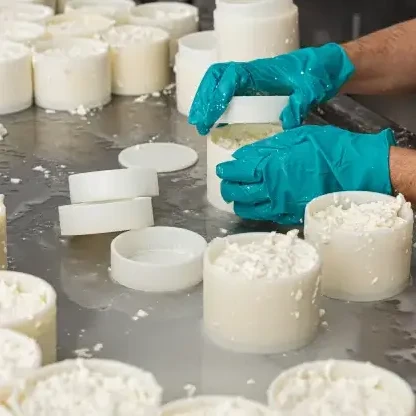
Cheese production
They intervene in the ripening process by breaking down specific proteins, which contributes to the development of smoother textures and more complex flavours in mature cheeses. They also help to control firmness and improve the consistency of the final product.

Processed meats
They soften muscle fibres by breaking down structural proteins, which improves tenderness and juiciness in sausages, cold cuts and other meat products. In addition, they can optimise moisture retention and facilitate the integration of additional ingredients.
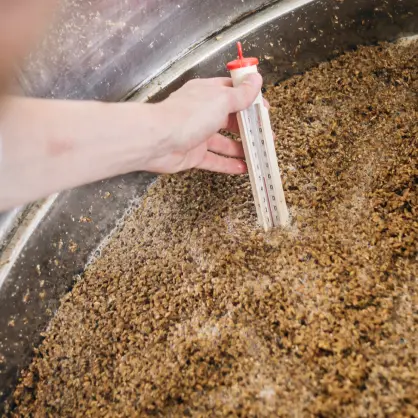
Brewing
They play a key role in clarifying the product by breaking down proteins responsible for turbidity, thereby improving its transparency and stability.
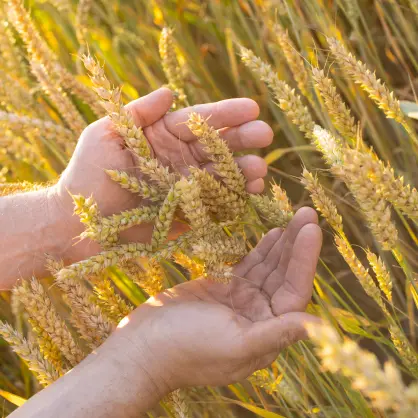
Gluten-free foods
They act on wheat proteins, breaking them down into smaller peptides to eliminate their ability to cause adverse reactions in people with gluten intolerance.
Creation of flavours
One of the main benefits of protease enzymes in the food industry is their ability to modify the sensory profile of foods. Through controlled hydrolysis, these enzymes generate peptides that enhance different natural flavours.
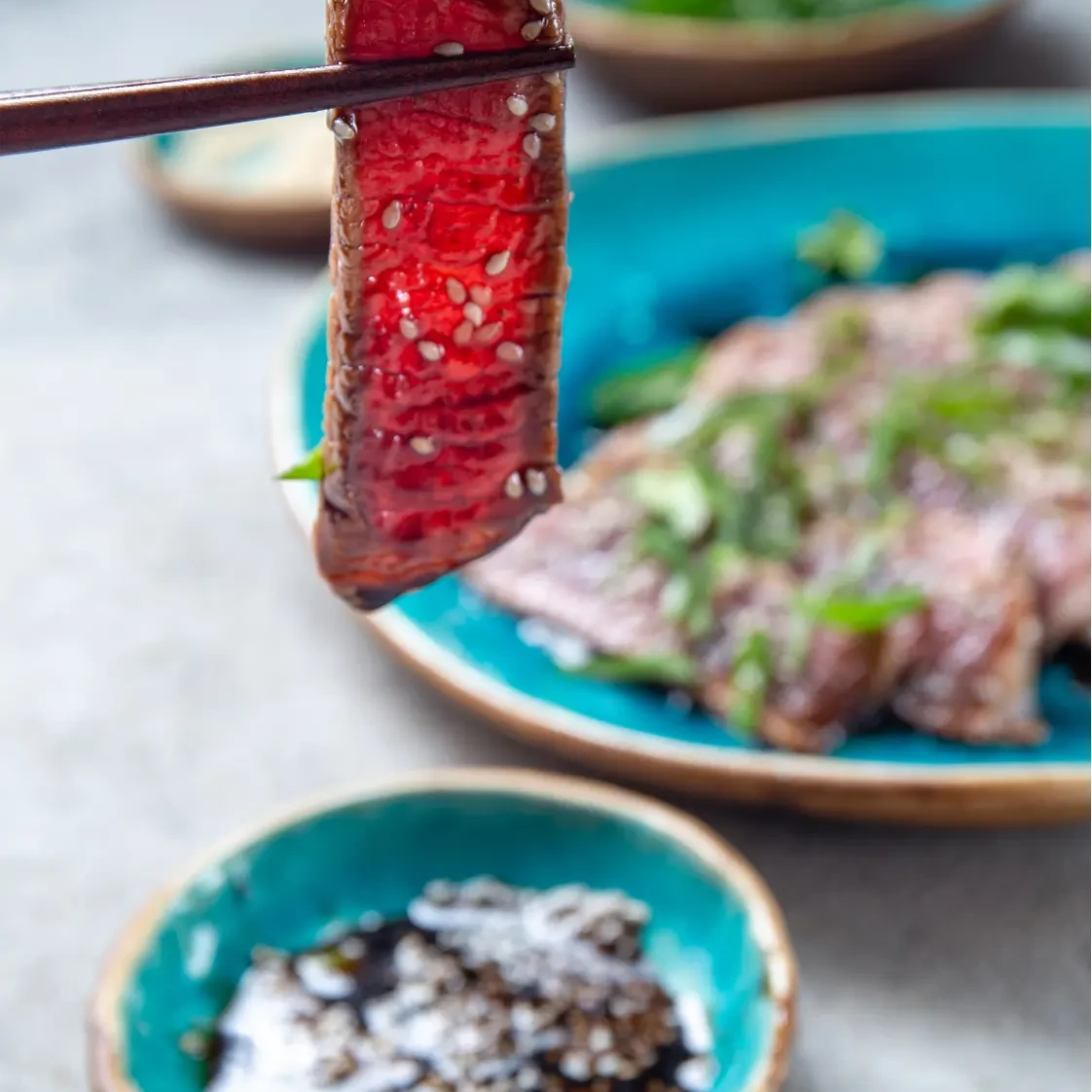
Umami
Umami is the fifth basic taste and is associated with a feeling of fullness and richness on the palate. It is generated when proteases release amino acids such as glutamate and specific peptides that activate the umami receptors on the tongue.
Proteases help to intensify this flavour in products such as:
- Concentrated broths and soups
- Fermented sauces such as soy sauce or miso
- Cured meat products, such as Iberian ham and salami
Optimising umami allows for a reduction in the amount of salt added to food, facilitating the reformulation of healthier products without compromising flavour.
Salty
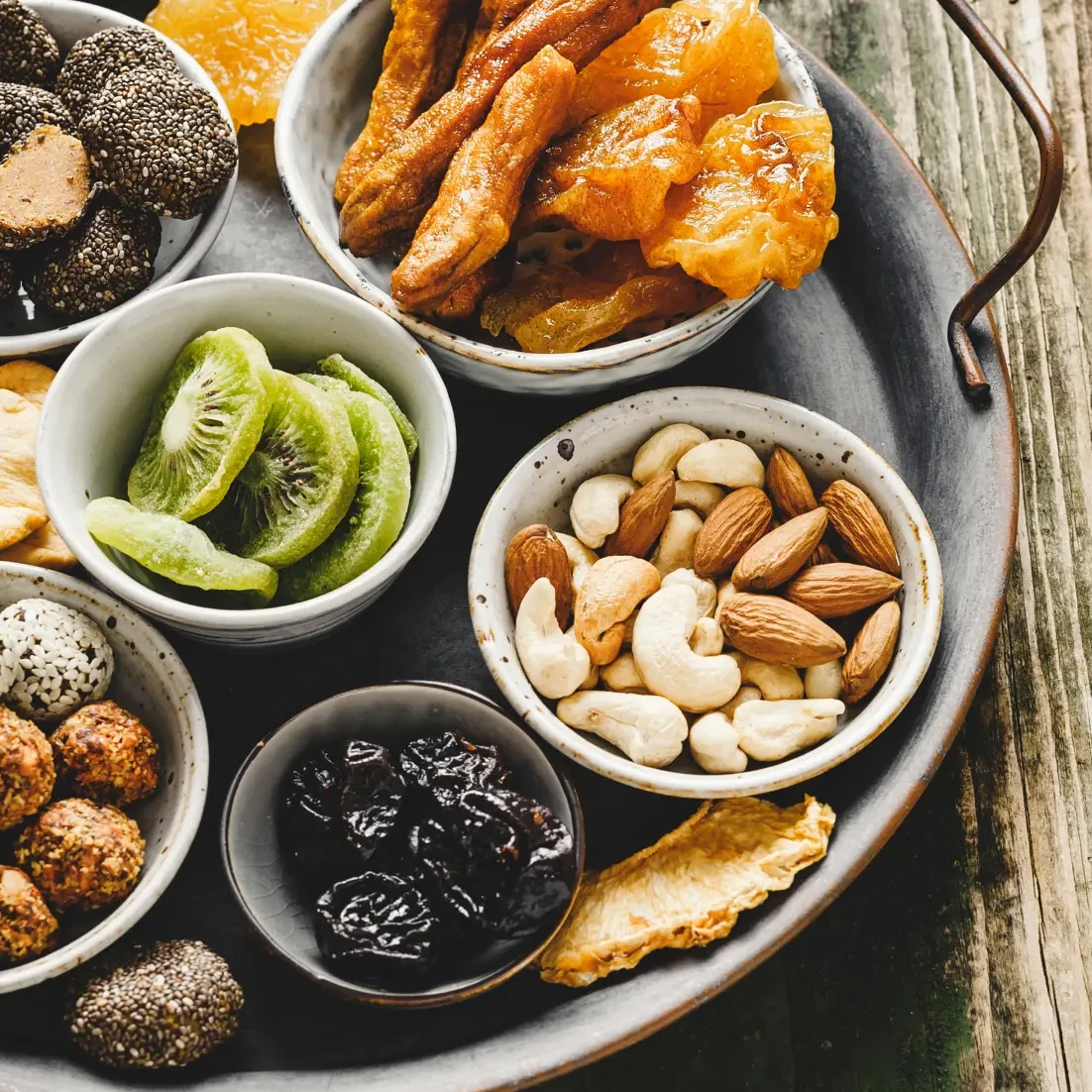
Proteases can enhance the perception of salinity in food without increasing the sodium content. This is due to the generation of specific peptides that interact with the salty taste receptors.
Key applications include:
- Reduced-sodium meat products
- Snacks with lower salt content
- Plant-based alternatives to meat with more intense flavour profiles
The use of protease enzymes in these foods makes it possible to meet the growing demand for lower-sodium options without sacrificing the sensory experience.

Bitterness
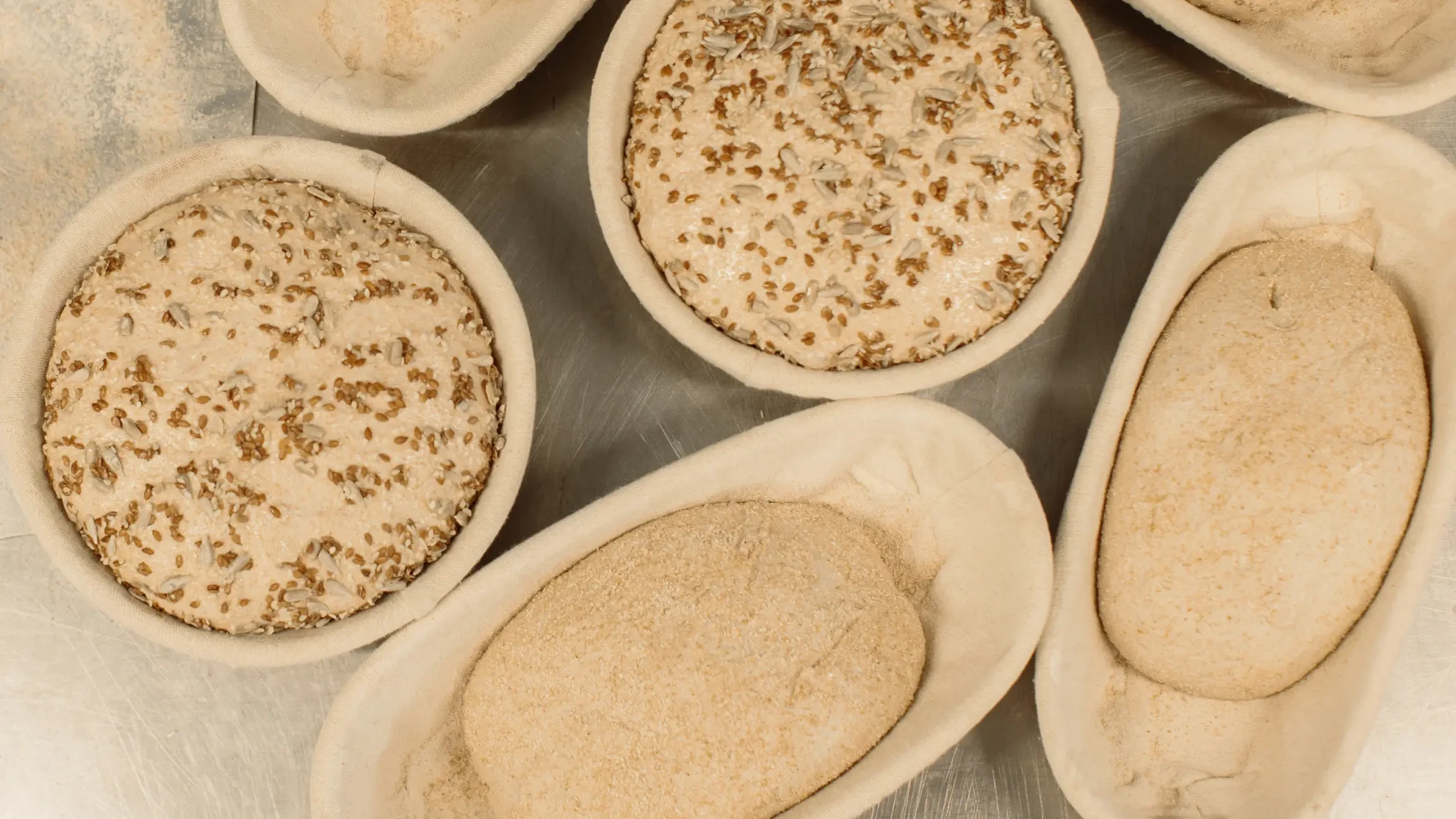
Bitterness in food can result from protein hydrolysis, as some peptides generated may have this characteristic. Chocolate and processed cocoa, fermented beverages such as beer, and mature cheeses with a strong flavour profile are foods where bitterness can be a significant factor. However, the effect of hydrolysis can be controlled by:
- Selecting the right protease: Some enzymes produce fewer bitter compounds.
- Control of hydrolysis time: More extensive hydrolysis can break down bitter peptides into individual amino acids, reducing their perception.
- Use of complementary enzymes: Exopeptidases can eliminate the peptides responsible for bitterness.
What are the benefits of proteases?
Proteases, also known as peptidases, are enzymes that catalyse the hydrolysis of peptide bonds in proteins, breaking them down into smaller fragments. This process is essential in digestion, but it is also used in many industrial applications to modify the structure of foods and improve their sensory and functional characteristics.
These enzymes facilitate the breakdown of proteins into simpler fragments, which translates into multiple benefits:
They improve the digestibility of proteins in the digestive system, allowing them to be absorbed in the form of amino acids.
They optimise the bioavailability of nutrients, ensuring greater nutritional value in processed products.
They modify the texture and functional properties of foods, making them more appealing and suitable for different applications.
They facilitate the clarification and stabilisation of beverages such as beer, wine and vegetable drinks.
They enable the removal of allergens, such as gluten, by breaking it down into non-immunogenic peptides to produce foods suitable for people with intolerances.
According to their mechanism of action, protease enzymes can be classified into two main types:
Endoproteases
They act within the protein chain, breaking internal bonds and generating smaller fragments. They are essential in the production of protein hydrolysates with specific properties.
Exoproteases
They break down proteins from the ends, releasing individual amino acids or small peptides, improving the nutritional profile of foods and generating characteristic flavours.
Another classification is based on their optimum pH for activity, which determines their application in different industrial processes:
Acid proteases (pH 2–5)
Used in fermentation and cheese ripening, as they promote the development of specific aromas and textures.
Neutral proteases (pH 5–7)
Widely used in the food industry to modify protein structures without altering other properties of the final product.
Alkaline proteases (pH 7–11)
Used in the detergent industry.
Given their versatility and effectiveness, proteases continue to be an indispensable tool in optimising food quality, texture and functionality. Their use allows the industry to constantly innovate and adapt to new market trends, developing healthier products that are aligned with consumer needs.
What is protein hydrolysis?
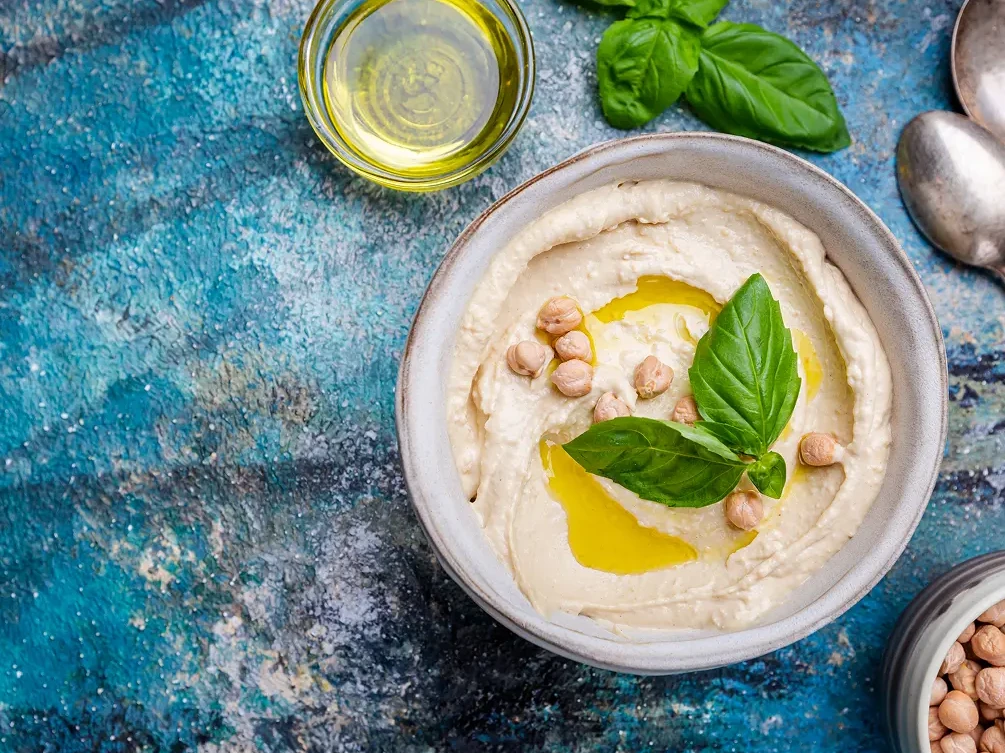
Enzymatic hydrolysis is the process by which proteases break down proteins into smaller peptides and amino acids. This mechanism makes it possible to modify texture, improve nutritional profile and optimise the sensory properties of foods, allowing products with specific characteristics to be developed for different sectors of the food industry.
Among the main benefits of enzymatic hydrolysis are:


This process is widely used in the food industry to improve the quality of various products, from fermented and meat products to plant-based alternatives and allergen-free products. Its controlled application allows for the production of foods with improved sensory and nutritional profiles without altering their fundamental properties.


