


We do not offer standard enzymes, but rather solutions tailored to perfectly maximise your production performance. Let us help your process reach its full potential.
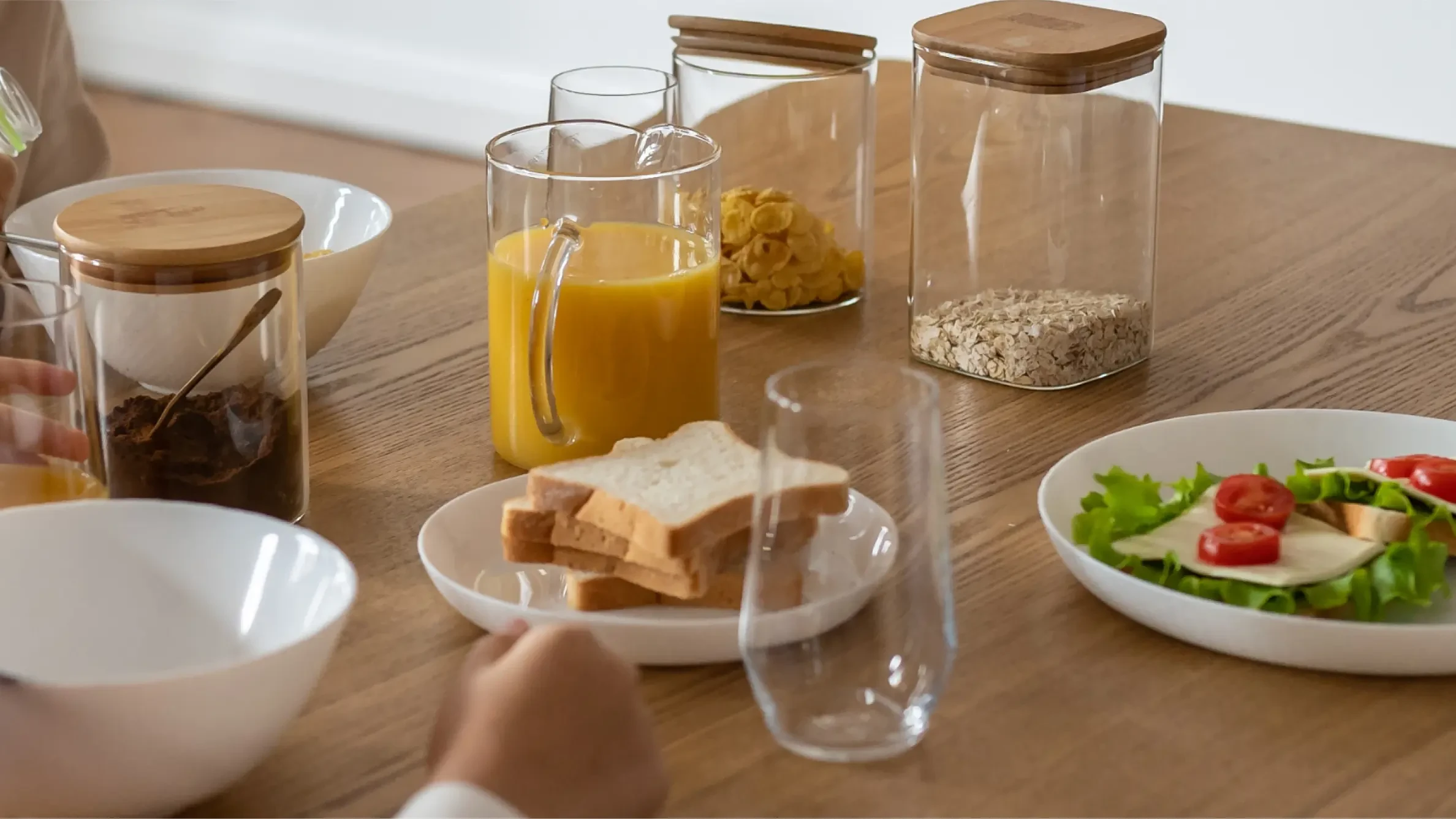
Amylase in the food industry
Amylase is an enzyme widely used in the food industry due to its ability to break down starches into simple sugars, optimising production processes and contributing to greater efficiency and sustainability. At Biocon, we understand that every industrial process is unique, which is why we offer an enzyme solution tailored to each customer’s specific conditions. This ensures more effective application, better results in the final product and more responsible use of resources.
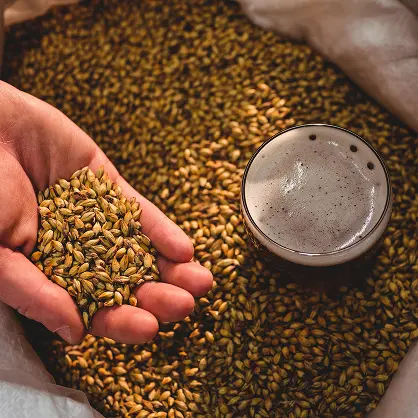
Beer production
In the brewing industry, amylase converts cereal starches into fermentable sugars, which are essential for alcoholic fermentation. Its action optimises the fermentation process by providing fermentable sugars to the yeast.
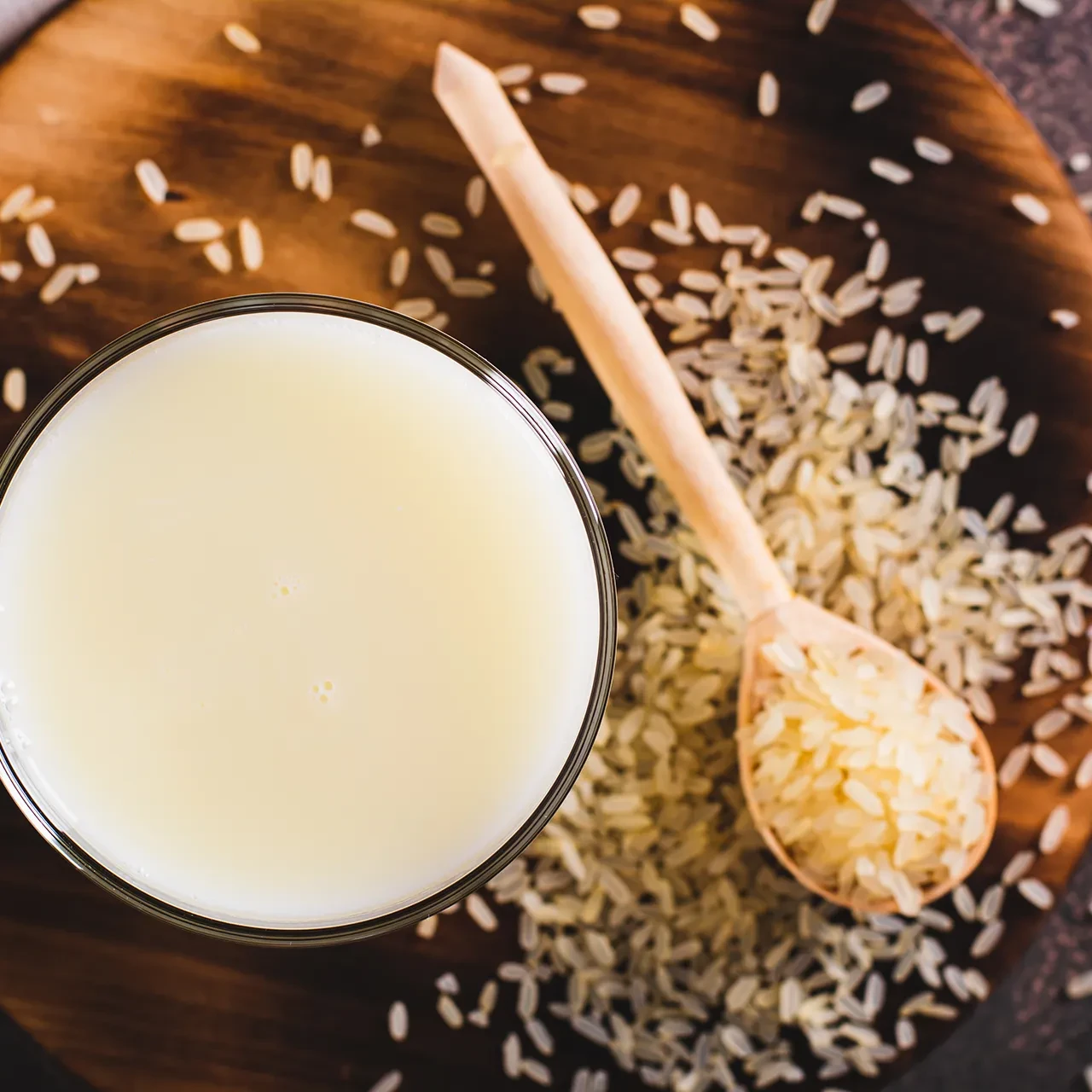
Plant-based drinks
Amylases break down starches in ingredients such as oats, rice or corn, improving the texture and reducing the viscosity of plant-based drinks. They also increase the natural sweetness of the product without the need to add additional sugars.

Optimisation and sustainability
The use of amylases reduces production times and energy consumption, improving industrial efficiency. It also reduces the need for aggressive chemical processes, promoting more natural and cleaner production. Its action optimises the use of raw materials, reducing waste and contributing to a more sustainable food industry, in line with consumer demands and environmental regulations.

What is amylase and what does it do?
Amylase is an enzyme that catalyses the breakdown of starches, a type of complex carbohydrate found in cereals, tubers and legumes, transforming them into simpler sugars such as maltose, glucose or dextrins.
The most common type of amylase is alpha-amylase. Alpha-amylases are essential in the food industry as they optimise processes such as the production of vegetable drinks and beers. Depending on their origin, there are different types of alpha-amylases with specific characteristics:
Bacterial alpha-amylases
Notable for their stability at high temperatures, they are ideal for liquefaction processes in the production of syrups and modified starches, optimising the conversion of starch into fermentable sugars.
Fungal alpha-amylases
They operate under more moderate temperature and pH conditions and are used in starch hydrolysis processes in the beverage industry and in the production of functional ingredients.
Characteristics of amylase
Amylases are highly efficient and versatile, acting on different starch bonds. They generally have a high capacity to operate at high temperatures and in various pH ranges, making them ideal for accelerating industrial processes.
Due to its specificity, stability and speed, amylase helps transform complex carbohydrates, improving product quality and production efficiency.
Amylase is an enzyme used in numerous industrial applications due to its properties. Some of its main characteristics are:
Specificity in starch breakdown
Each type of amylase acts on specific bonds within the starch structure, allowing for precise and controlled breakdown. This specificity allows the conversion of starch to be adapted to the needs of each industrial process. Its action improves production efficiency, preventing unwanted degradation of compounds and optimising ingredient performance.
High thermal stability
Thermostable amylases, especially those obtained from thermophilic microorganisms, remain effective even at high temperatures. This makes them an optimal solution for industrial processes such as
Wide pH range
Depending on their origin, amylases can work at different levels of acidity or alkalinity, making them useful in multiple industries. Microbial amylases stand out for their adaptability, functioning over a wider pH range. This versatility facilitates their use in processes with variations in the composition of the medium, avoiding the need for constant adjustments.
Speed and energy efficiency
They significantly accelerate the conversion of starch into simple sugars, enabling faster production cycles. By operating under milder temperature and pressure conditions, they reduce energy consumption compared to traditional methods. Their speed of action improves production capacity without compromising the quality of the final product.
Diversity of sources
Amylase can be obtained from animals, plants, and bacterial and fungal microorganisms, each with specific characteristics depending on the application. Microbial variants are the most widely used in industry due to their high efficiency, stability, and adaptability to different processing conditions. Thanks to this diversity, amylase is used in sectors such as baking, beverage production, syrup manufacturing, and starch processing, among others.


