


Discover how glucanases interact with glucans so you can produce beverages and feed with the quality you seek, improving your energy efficiency data.
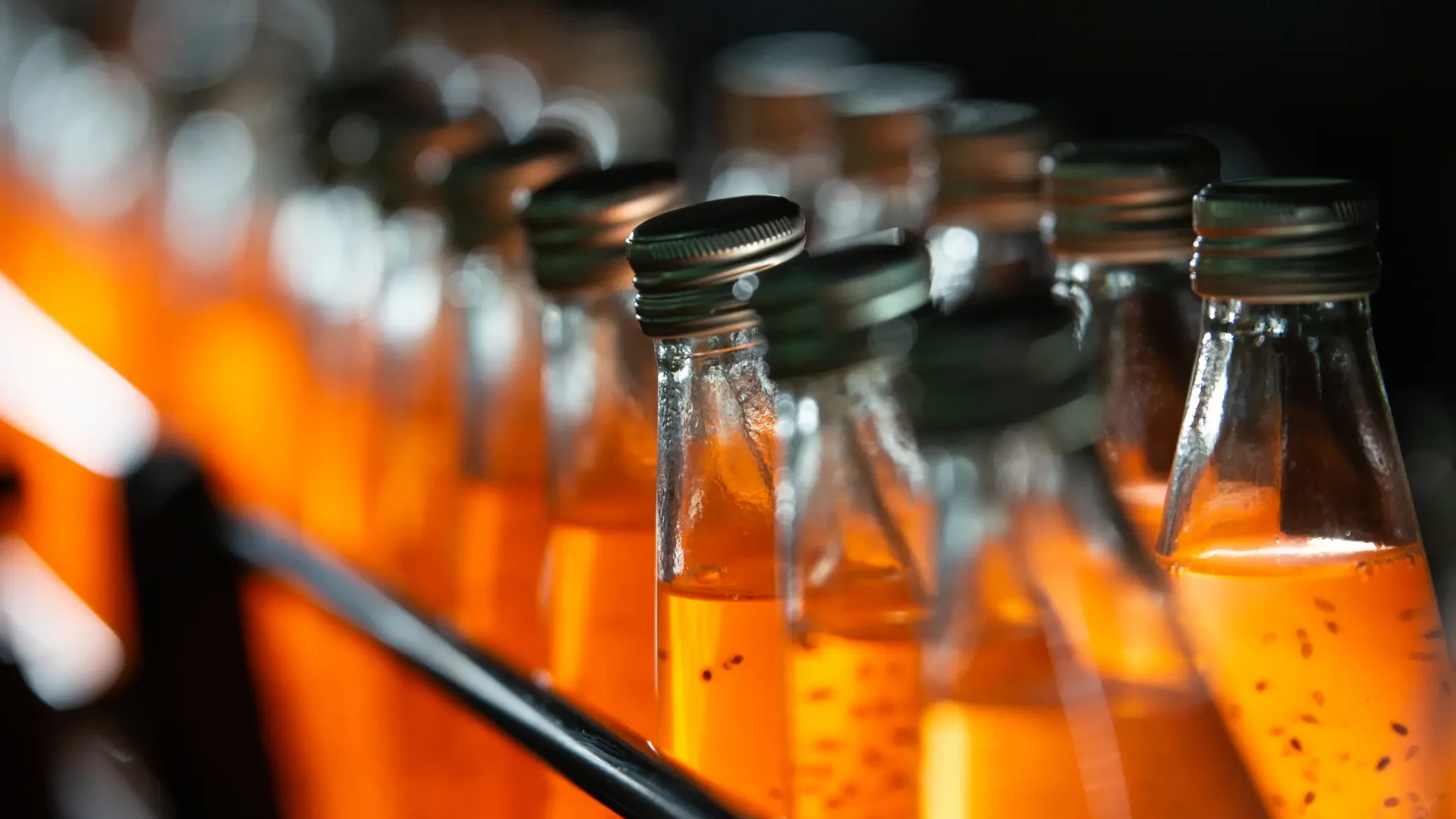
Glucanase in the food industry
The use of glucanase in the food industry has become common practice for addressing challenges associated with the presence of beta-glucans. Some of the most relevant applications include:
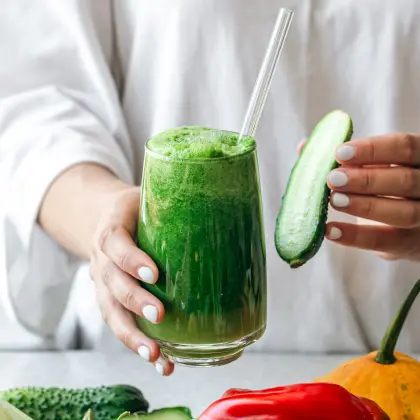
Plant-based drinks
In beverages made from cereals such as oats, naturally occurring beta-glucans can result in an excessively thick texture. Adding glucanase to the formulation helps to:
- Reduce viscosity.
- Facilitate filtration and bottling, reducing the risk of blockages or sedimentation.
- Increase the stability and homogeneity of the final product.
This type of enzymatic treatment is especially useful in “clean label” formulations, where the use of natural processes is prioritized over artificial additives.
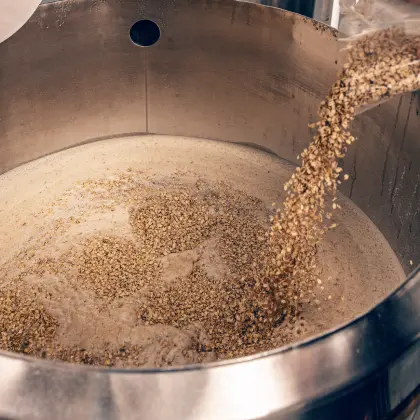
Brewing industry
During the mashing process in beer brewing, beta-glucans present in malt can hinder wort filtration, lengthening production times and affecting process efficiency. Glucanases are used to:
- Improve the wort filtration rate.
- Reduce gelling problems and blockages.
- To obtain a clearer and more stable beer, with a better final presentation.
Furthermore, its use contributes to a more uniform and controlled process, which promotes consistency between batches and reduces operating costs.
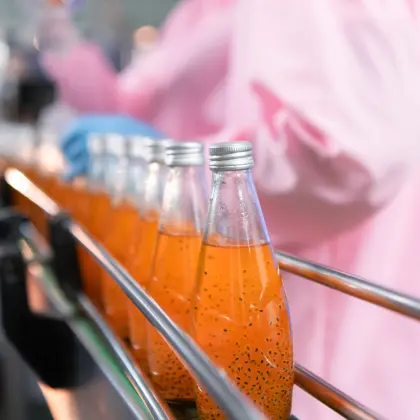
Production of juices and nectars
In fruits and vegetables, the polysaccharides in cell walls hinder the complete release of juice. Glucanases, by breaking down these structures, allow:
- Increase juice extraction yield.
- Improve the clarity and stability of the product.
This effect is especially valuable in products such as apple, grape, peach or carrot juices, where transparency and homogeneity are important aspects for consumer acceptance.
Animal feed
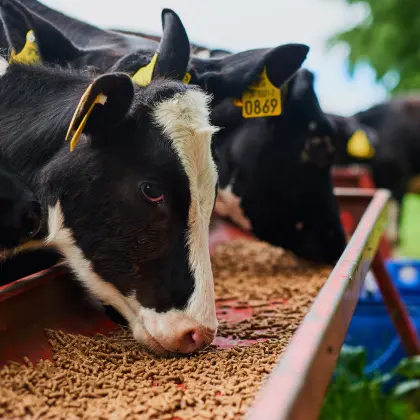
In animal nutrition, beta-glucans present in feed can reduce digestibility and nutrient absorption efficiency. Incorporating glucanases into feed formulations allows for:
- Breaking down plant barriers that limit bioavailability.
- Improve feed conversion and energy utilization.
- Decreasing intestinal viscosity, which promotes better digestive health in monogastric animals such as poultry and swine.
What is glucanase and what is its function?
Glucanase is an enzyme that catalyzes the hydrolysis of glycosidic bonds in glucans, a type of polysaccharide found primarily in the cell walls of fungi, cereals (such as oats, barley, and wheat), and other plants. There are several types of glucanases, depending on the type of bond they break.
Each type acts specifically on glucan chains, allowing for efficient and controlled degradation. Its main application in industry is to reduce viscosity, improve filtration, and facilitate the extraction of desirable compounds, such as sugars or juices, without negatively affecting other organoleptic properties of the product.
Characteristics of glucanase
Glucanases possess a number of properties that make them highly valued in industrial applications:
Structural specificity
They act on specific bonds, allowing precise treatment of the substrate without breaking down other compounds in the food.
Viscosity Reduction
By breaking down beta-glucans, they decrease the density of solutions, improving fluidity and ease of processing.
Versatility in processes
They operate across a wide range of temperatures and pH levels, allowing their incorporation at different stages of production.
Natural clarification
They prevent the formation of turbidity in liquids, improving the appearance and stability of drinks and juices.
More sustainable processes
By reducing the need for mechanical or chemical treatments, they help lower water and energy consumption, as well as waste generation. Furthermore, they help extract more liquid from the grains, for example, more wort from the malt, which significantly reduces the volume and weight of the waste produced.
These characteristics make glucanase an efficient and environmentally friendly tool, in line with current demands for sustainability and responsible production.


