

Generally, when we talk about innovation and efficiency in the food industry, we refer to the quest to satisfy consumers' growing demands for quality, sustainability and health. In this context, enzymes have become a solution that can improve every stage of the production process naturally and efficiently.
Enzymatic solutions enable optimisation of operations, such as improving dough fermentation, juice extraction, or the production of healthier foods. For example, in gluten-free products, enzymes break down the proteins responsible for intolerance without affecting flavour or texture. In plant-based beverages, they help balance the composition of the product, maintaining its stability and enhancing its natural sweetness.
Furthermore, these solutions contribute to sustainability by reducing energy, water and raw material consumption, while also cutting down on waste. This not only improves the efficiency of production plants, but also reinforces the industry's commitment to the environment and consumer well-being.

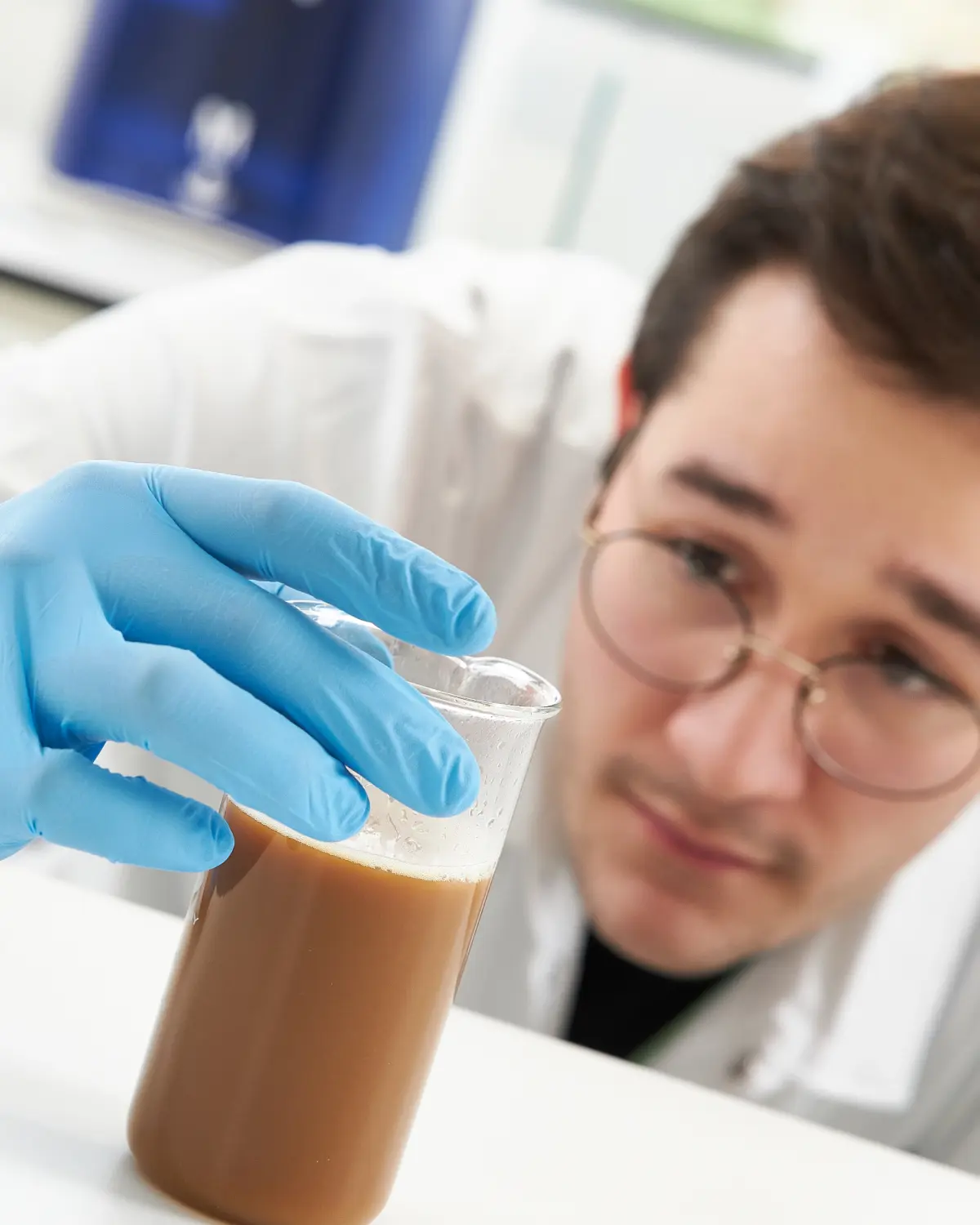
Personalised support in the enzyme industry
Each customer and each project has unique characteristics, making personalised support from the manufacturer at every stage of the process increasingly essential. From identifying needs to implementing tailor-made enzymatic solutions, this approach has become a growing priority in the industry, allowing each solution to be adapted to the specific challenges and objectives of each company.
This process begins with a detailed analysis of the customer’s needs, evaluating aspects such as the type of product, production conditions and improvement objectives. From there, enzymes adapted to these requirements are selected or developed, with precise adjustments in dosage, action times and operating parameters.
Support does not end with the delivery of solutions. It is essential to maintain
This personalised collaboration approach not only helps companies remain competitive, but also enables them to anticipate market trends, innovate with agility and respond effectively to growing consumer expectations, thereby strengthening their position in an ever-changing environment.
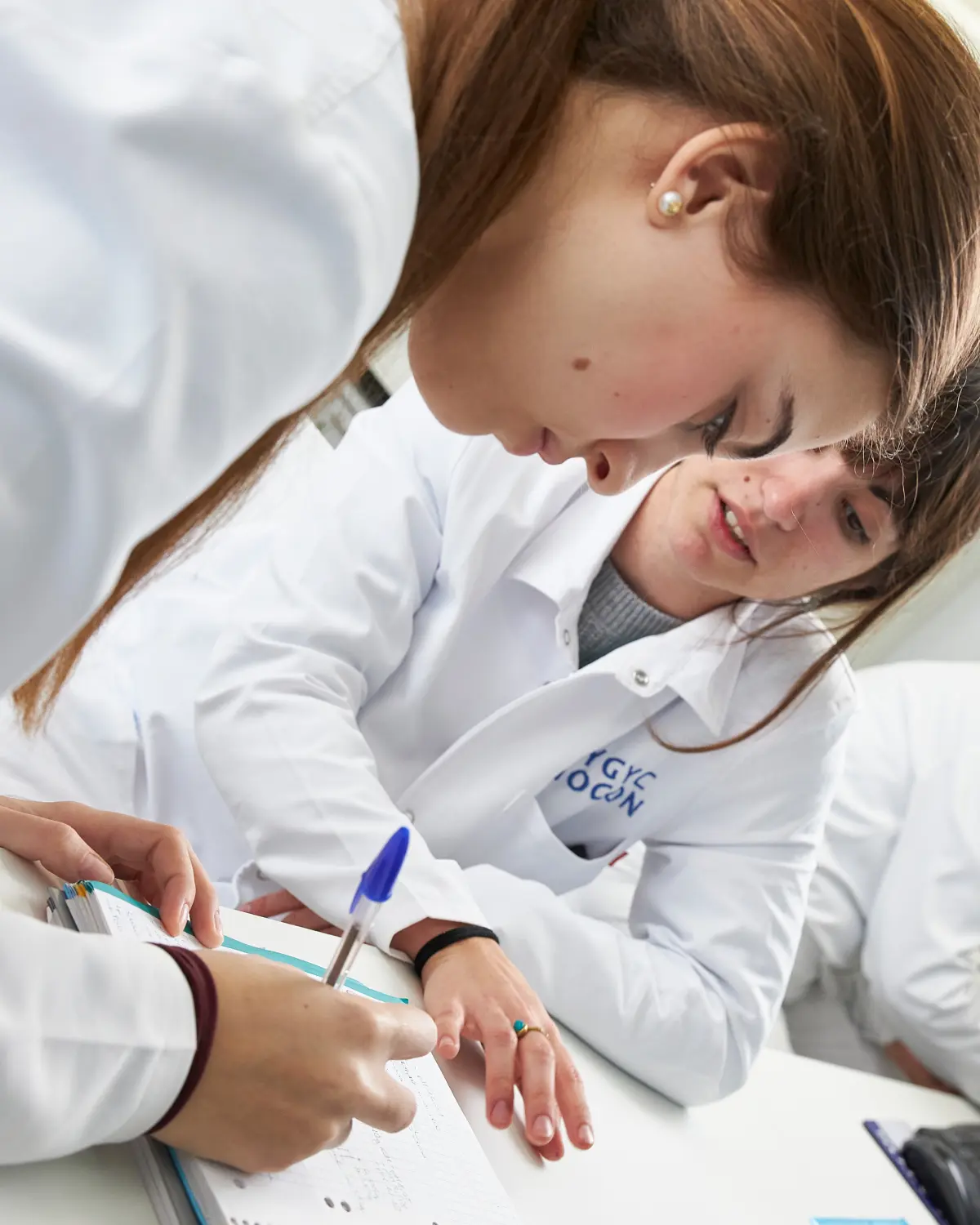
Consultancy in the food industry
An important added value in the sector is the specialised consulting services offered by enzyme manufacturers. This service gives companies in the food sector access to in-depth, specialised knowledge on the optimal application of these tools in their production processes.
The manufacturer not only supplies the product, but also becomes a strategic partner, offering technical guidance at every stage: from selecting the right enzyme to precisely adjusting parameters such as dosage, temperature and reaction time.
In addition, the manufacturer can perform customised assessments, pilot tests, and continuous monitoring, ensuring that the implemented solutions remain at peak performance. This support also helps to quickly resolve any operational challenges and take advantage of opportunities for innovation.

With this type of direct technical consulting, companies not only optimise their operations, but also gain flexibility to adapt to new trends and market demands, thereby consolidating their competitive advantage.